
Airbnb vs Long-Term Rental in San Antonio

Which Makes More This Year?

If you’re a San Antonio rental property owner, you’ve probably asked yourself the big question around Airbnb vs long-term rental income:

Should I keep my property as a long-term rental—or could I earn more with Airbnb?

With rising home values, shifting tenant expectations, and a strong tourism economy, many local landlords are reconsidering their strategy. As the owner of iTrip San Antonio, a locally based vacation rental management company, I work with homeowners every day who are weighing Airbnb vs long-term rental income, risk, and effort.

Let’s break it down clearly—so you can decide which model makes the most sense this year.
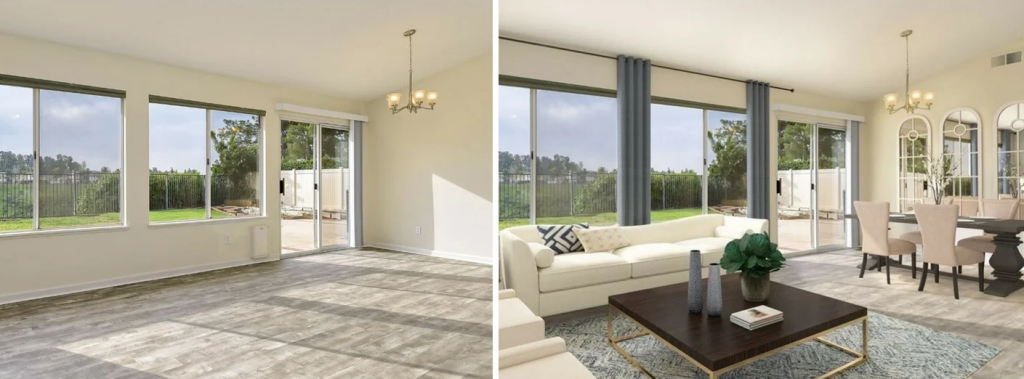
Empty versus furnished living space showing the difference between long-term rental and Airbnb income potential in San Antonio
An unfurnished long-term rental compared to a fully furnished Airbnb highlights how presentation, flexibility, and strategy can impact rental income in San Antonio.

Understanding Airbnb vs Long-Term Rental

At a high level, the difference comes down to income potential, flexibility, and involvement.

  • Long-term rental: 6–12 month leases, stable monthly income, fewer turnovers
  • Airbnb (short-term rental): nightly rates, higher gross income potential, more moving parts

San Antonio is uniquely positioned to support both, but not every property performs the same in each model.


Income Comparison: Airbnb vs Long-Term Rental in San Antonio

Long-Term Rental Income (Typical)

House key on a keychain next to a model home representing long-term rental income in San Antonio
Long-term rentals offer predictable monthly income, but rising expenses and slower rent growth can limit earning potential for San Antonio landlords.

Most long-term rentals in San Antonio generate:

  • Predictable monthly rent
  • Lower operational costs
  • Limited upside unless rents increase

However, rent growth has cooled in many neighborhoods, and landlords are absorbing higher maintenance, insurance, and tax costs—often without proportional rent increases.

Airbnb Income Potential

Short-term rentals can outperform long-term rentals when managed correctly.

With Airbnb, income is driven by:

  • Nightly rates
  • Occupancy levels
  • Seasonality and local events
  • Guest experience and reviews

Well-positioned San Antonio homes near downtown, the River Walk, medical centers, military bases, or major attractions often generate significantly higher gross revenue than traditional leases.

The key difference? Management matters.

Expenses & Effort: What Owners Need to Know

Hand using a bright pink calculator to compare Airbnb vs long-term rental expenses and income
Crunching the numbers helps homeowners understand the true costs, effort, and income potential when comparing Airbnb vs long-term rental strategies.

Long-Term Rental Pros & Cons

Pros:

  • Less day-to-day involvement
  • Fewer turnovers
  • Easier budgeting

Cons:

  • Fixed income ceiling
  • Risk of non-paying tenants
  • Property wear with limited inspections

Airbnb Pros & Cons

Pros:

  • Higher income potential
  • Flexible owner use
  • Regular cleanings and inspections

Cons:

  • More operational complexity
  • Cleaning, guest communication, and pricing require expertise

This is where many landlords hesitate—but also where professional short-term rental management makes a major difference.


San Antonio Market Factors Favoring Airbnb

San Antonio continues to be one of Texas’s strongest short-term rental markets thanks to:

  • Year-round tourism
  • Major events and conventions
  • Medical and military travel
  • Family and group travel demand

Unlike purely seasonal markets, San Antonio offers diverse, consistent demand, which helps stabilize Airbnb performance throughout the year.

Tourists walking with luggage in a city neighborhood, representing year-round Airbnb demand in San Antonio
Year-round tourism, major events, and steady medical and military travel help make San Antonio one of Texas’s strongest markets for Airbnb and short-term rentals.

Is Airbnb Riskier Than a Long-Term Rental?

Not necessarily—it’s just a different risk.

Long-term rentals concentrate risk in:

  • One tenant
  • One lease
  • One income stream

Airbnb spreads risk across:

  • Multiple guests
  • Short stays
  • Dynamic pricing

If one booking cancels, another can replace it. And with proper screening, insurance, and local compliance, many owners find Airbnb risk to be more manageable than expected.


Who Should Consider Switching from Long-Term to Airbnb?

You may be a good candidate if:

  • Your property is in a high-demand area
  • You’re frustrated with capped rental income
  • You want flexibility or occasional personal use
  • You prefer professional management over self-managing tenants

Many of our iTrip San Antonio clients were previously long-term landlords who wanted better returns without more stress.


Airbnb vs Long-Term Rental: The Bottom Line

There’s no one-size-fits-all answer—but for many San Antonio homeowners, Airbnb delivers stronger earning potential when paired with professional management.

The smartest next step isn’t guessing—it’s running the numbers.


Ready to See What Your Property Could Earn?

At iTrip San Antonio, we provide complimentary income projections that compare Airbnb vs long-term rental performance for your specific property.

We’re local, data-driven, and focused on maximizing owner revenue—without the headaches.

➡️ See What Your Property Could Earn as a Short-Term Rental

Contact iTrip San Antonio today to explore whether short-term rental management is the right move for you.

linkedin facebook pinterest youtube rss twitter instagram facebook-blank rss-blank linkedin-blank pinterest youtube twitter instagram